“I want viewers to question the everyday, to question what has been taken for granted and normalized.” Nicholas Ward
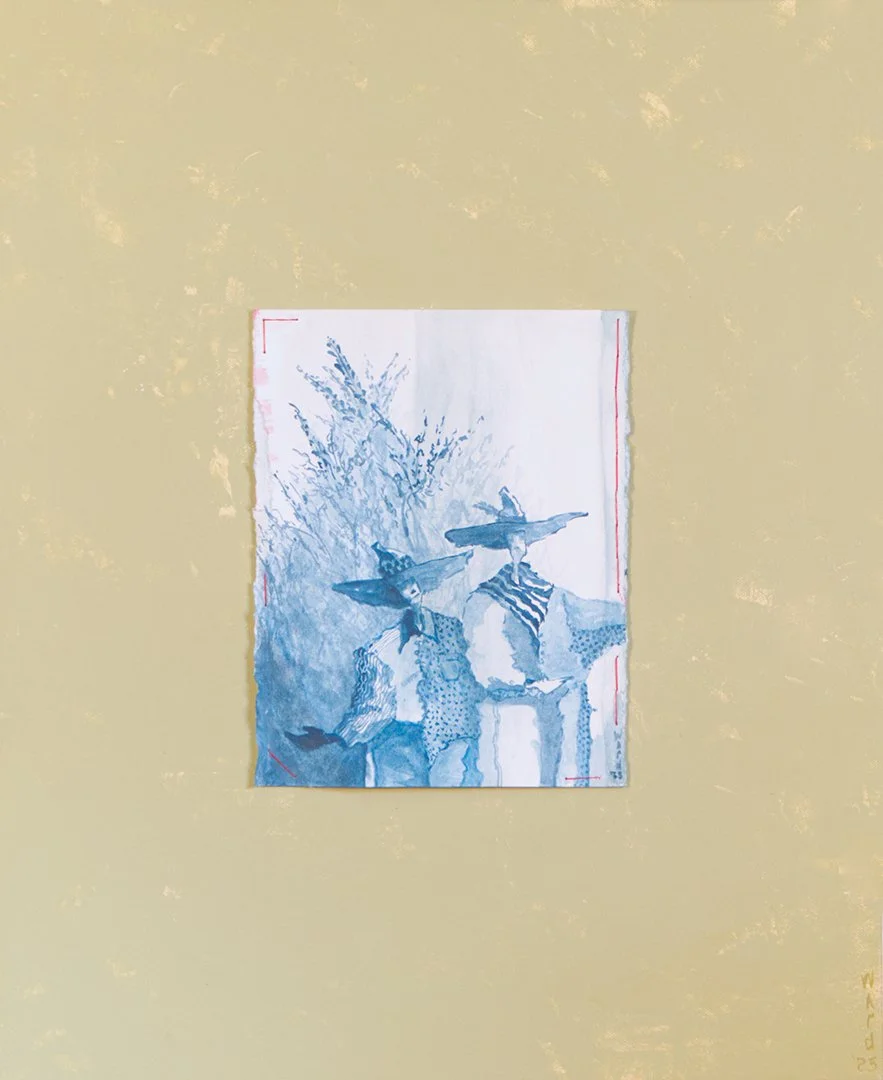
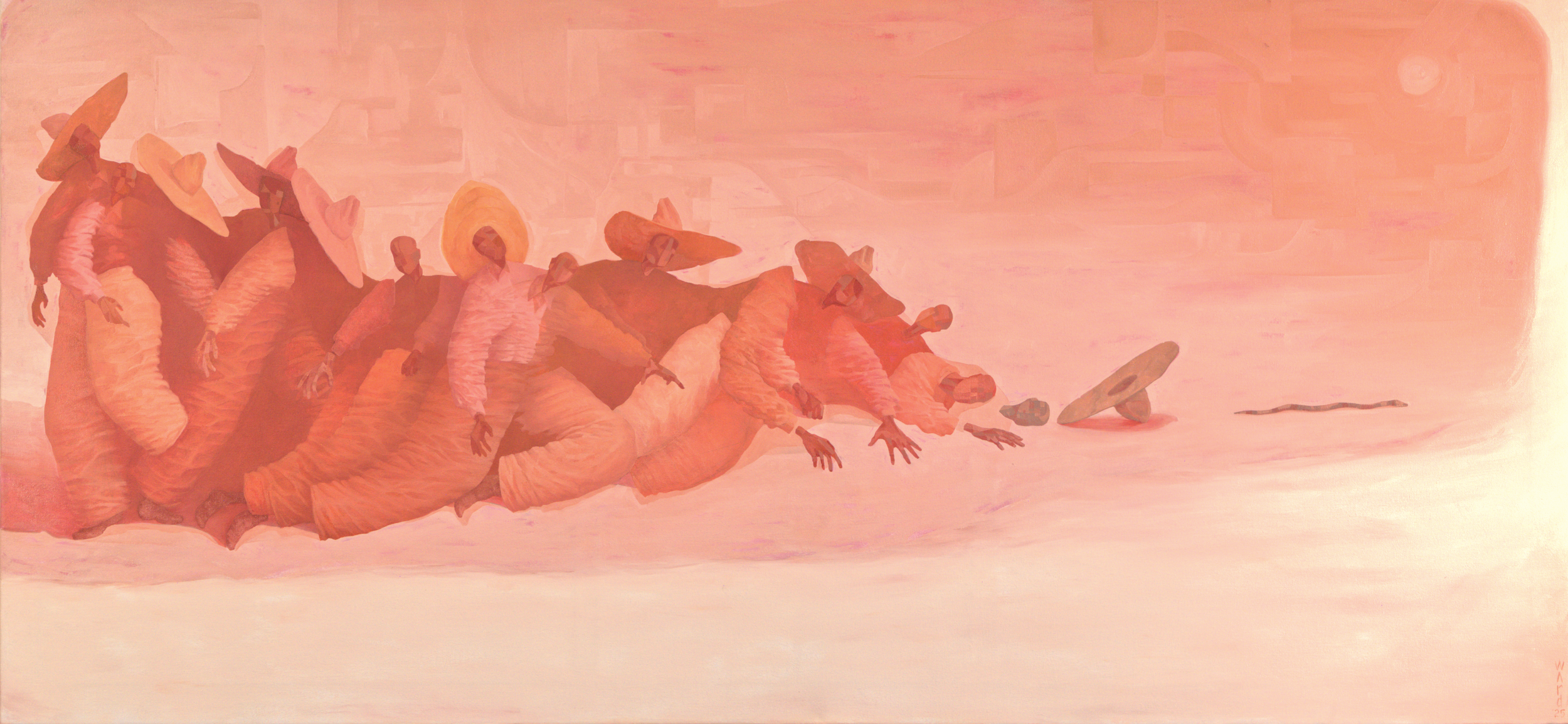
Based in Glenwood Springs, Nicholas Ward’s work engages with the mythologies of the American West, examining how history is shaped by perspective, distance, and emotion.
Through exaggerated forms and subtle shifts in reality, his paintings challenge romanticized narratives while remaining visually compelling and accessible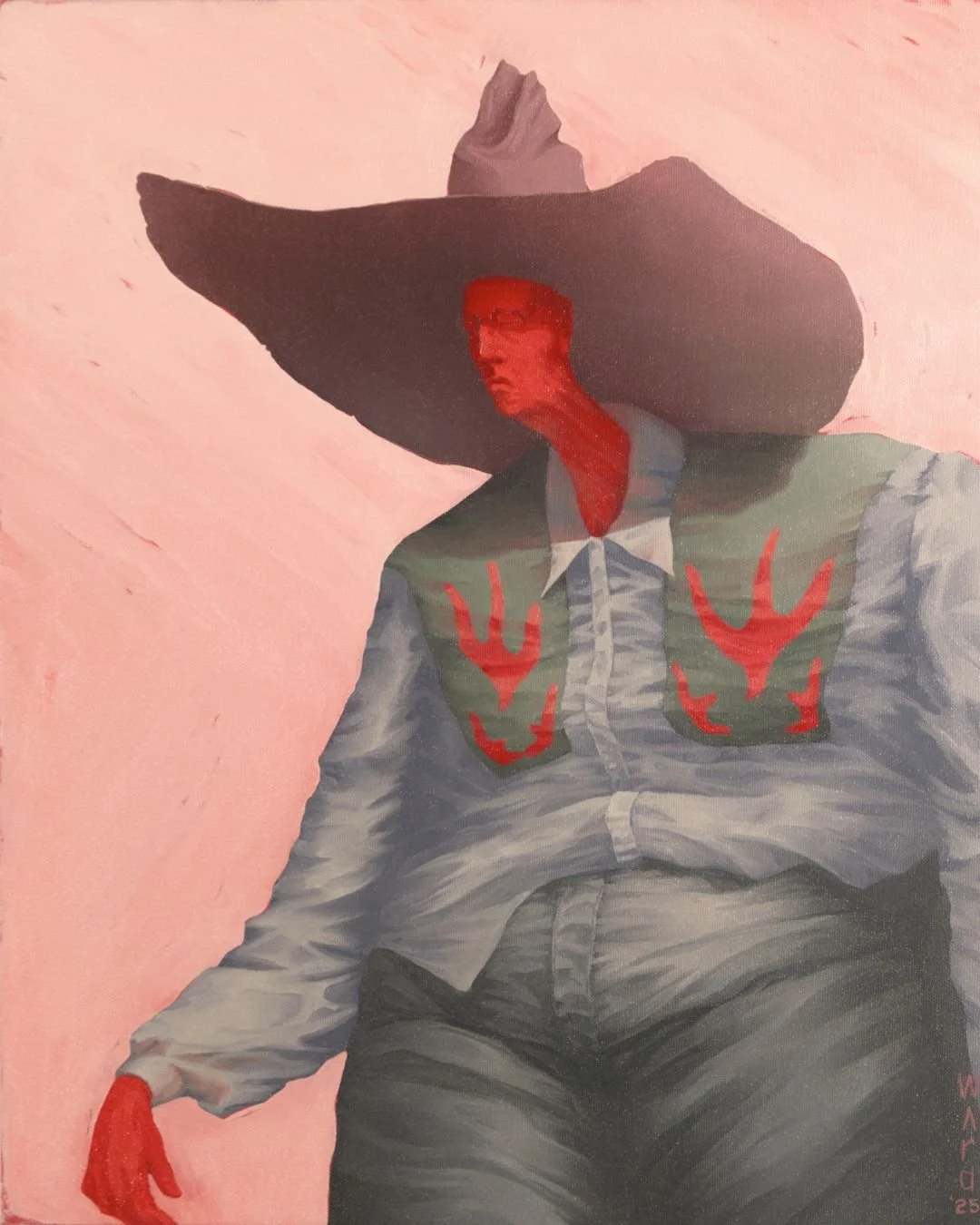
BPA:
The American West has been romanticized for generations through film, literature, and media. How do you see your work engaging with or challenging those narratives?
WARD:
To me the American West feels like one of the most excessively hyperbolic times in history. That period almost exists more in pop culture than in reality and, as storytelling tends to do, it’s all wound up in one larger than life narrative. I react to this with my own embellishments. The cowboy also represents this hyper-masculine American fetish idol which I comment on in some of my paintings.
BPA:
Storytelling plays a central role in your work. How do memory, exaggeration, and human emotion shape the stories we tell about history?
WARD:
I think emotion plays a huge role. Emotion, ego, fight/flight reactions, mental presence all play roles in memory and the impulse to exaggerate in storytelling. I think as far as the American West goes, there were a lot of atrocities committed, there's a clear incentive to alter certain narratives to paint a rosier picture. There’s this human tendency to alter memories and narratives to paint oneself as the hero or as having righteous motives to justify actions- this certainly gets wrapped up in historical narratives.
BPA:
Do you see your work as a commentary on the past, the present, or both?
Ward:
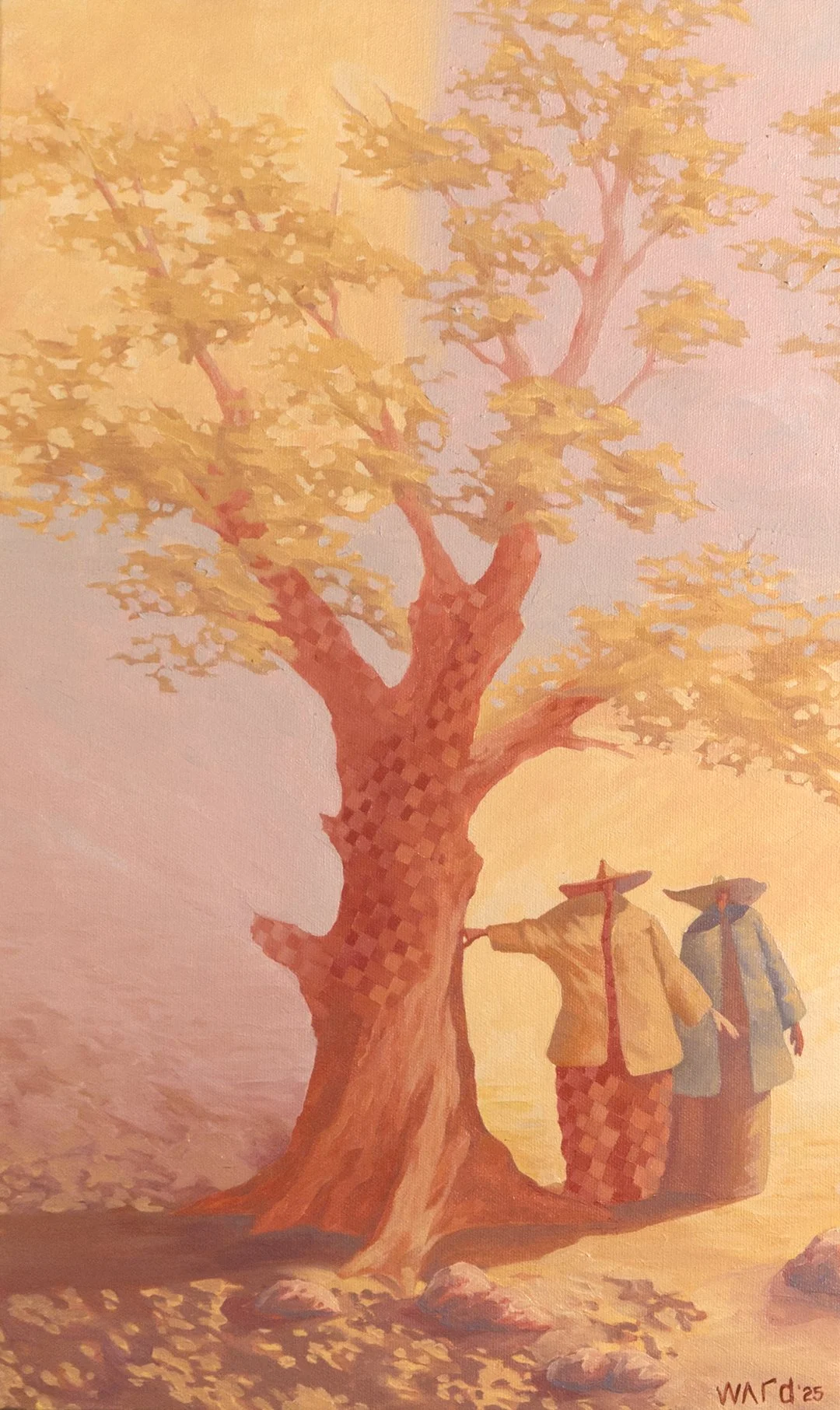
My work is often exploring romanticism of the past which is intuitively wrapped up in both past and present. A lot of my work deals with nostalgia and romanticism for a past that maybe wasn’t quite as rosy as our memory serves; lately I’ve been exploring the relationship between a nostalgic past in tension with our current technological age.
I’ve been thinking a lot about the Arthur C. Clarke quote “Any sufficiently advanced technology is indistinguishable from magic.” We’re living in a time where a large swathe of the populace has never known life without a supercomputer in their pocket and this “magic” is just accepted as normal. Now, in the last number of years with the introduction and prevalence of AI this idea has never felt more prescient and important to dig into. I think we all have (at least) a bit of nostalgia for simpler times .
Living in this technological world I find it interesting that what still produces awe isn’t this magic in our pocket -obsession, yes but not awe- what creates this feeling of awe most is human connection and the natural world outside of the little black box.
BPA:
Your work explores the “Hollywoodized” vision of the American West. What draws you to this space between myth and reality?
Ward:
I think what drew me into this space is storytelling. I’ve always admired folks who are good storytellers. Those who are skilled can capture and hold your imagination, take you on an emotional roller-coaster and spit you out having felt a weeks worth of emotion in one sitting. Some of the best storytellers leave you in disbelief, unsure what is real and what is hyperbole for the sake of storytelling. It creates this space of making the world we live in “larger than life” and leaves the listener inspired and in awe of our world- something I think we need more of. I’m a poor verbal story teller- always have been and I think that’s why it has always captured my admiration, but as an adult I’ve found that I’m an excellent visual storyteller and I chase that.
BPA:
Many of your paintings play with exaggerated proportions and surreal elements. How do you use these distortions to share your ideas about storytelling and myth-making?
Ward:
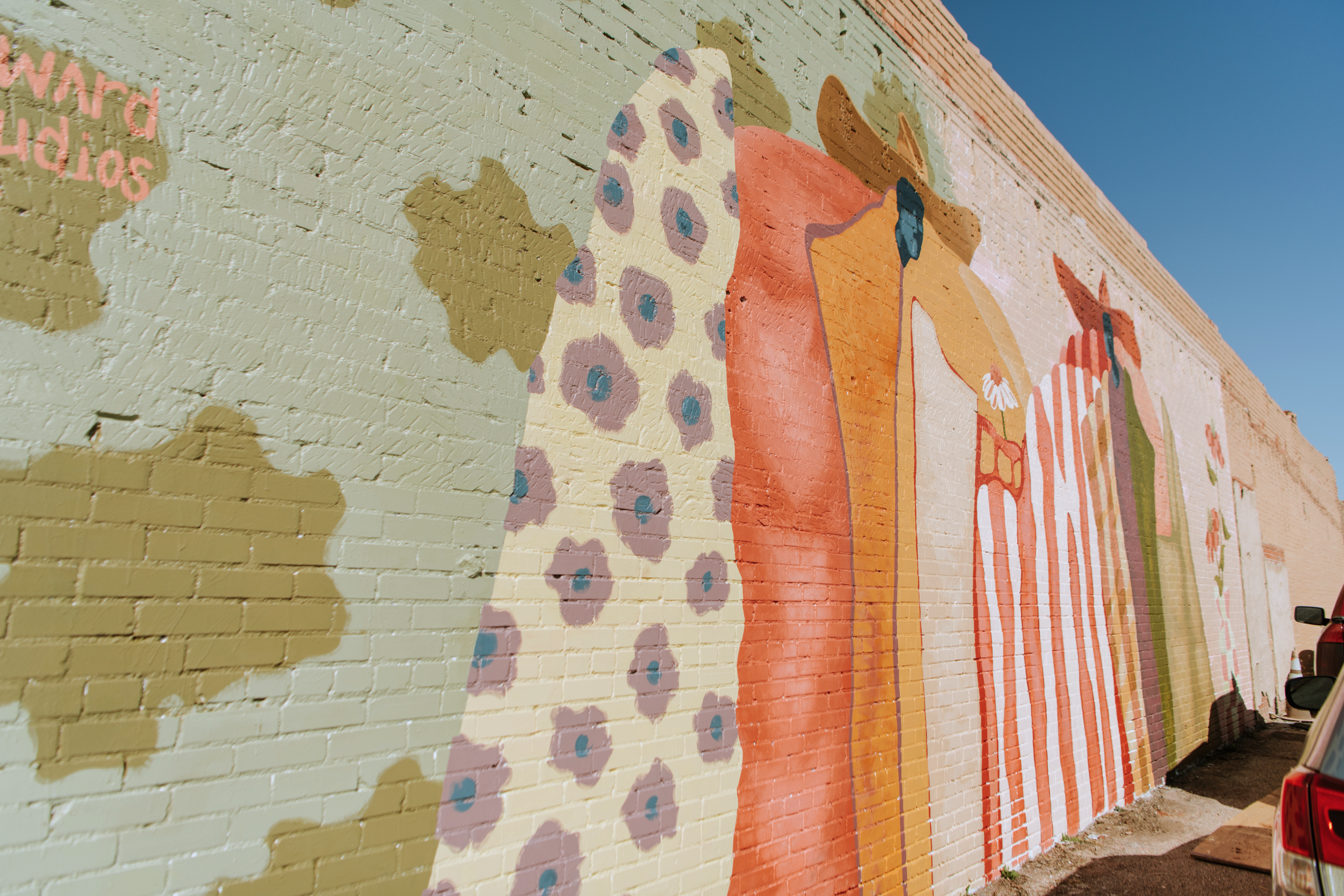
In some ways these surreal elements are intentional hyperbole in my visual storytelling, but commentary on memory is bound up in it as well. Human memory is fragile; I’m intrigued by how hyperbole, told enough times through story can become fact even convincing the storyteller in time- particularly so when emotion is wrapped up in it all.
BPA:
What are you currently exploring in your practice, or where do you see your work heading next?
Ward:
Well I talked about it earlier but I think everyone is wrestling with AI today in some fashion. I certainly use my artwork to digest and understand things occupying my mind so that has worked its way into my art. I’m currently working on a show exhibiting at the Aspen Collective Gallery early this summer that wrestles with AI, technology, ritual, and attention set to be open July 4 weekend so please come by to see that!